Compounds
Compounds are groups of two or more elements that are tied together. They are created when two different atoms share the same electron or when electrons travel from one atom to another.
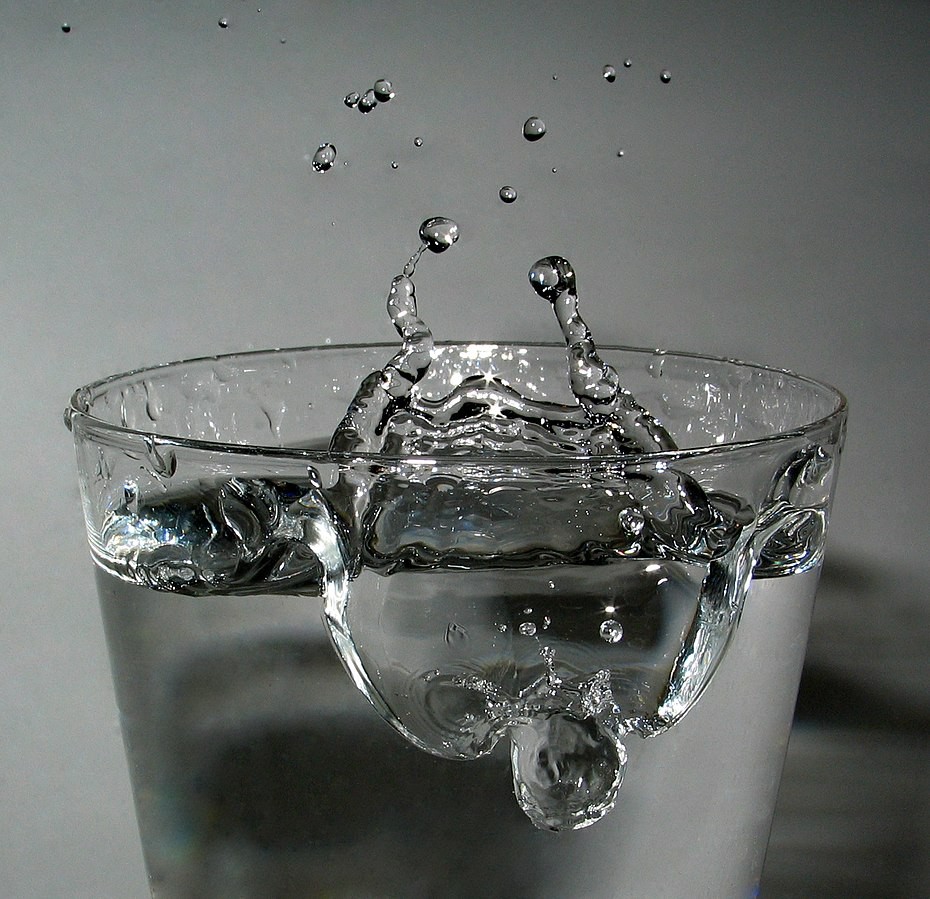
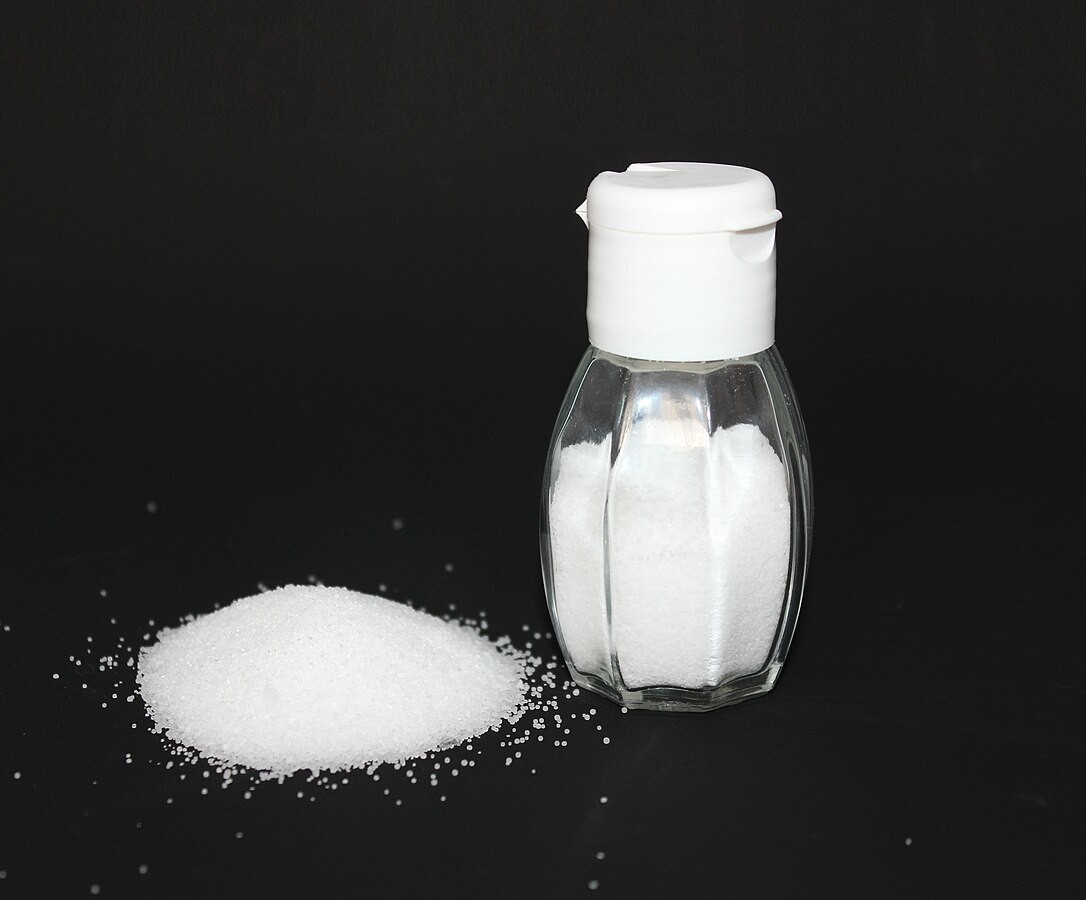
Every compound has certain features and a chemical formula. Water, for example, is a compound that has two hydrogen atoms and one oxygen atom in it . Its chemical formula is H2O. When sodium (Na) combines with chlorine (Cl) you get a compound called salt (NaCl). Carbon and hydrogen atoms form methane, or natural gas (CH4).
Compounds can be divided into two groups: organic compounds always have carbon atoms in them. You can find them in all living creatures, in plants and in a lot of our food, for example sugar and fat. All other compounds are called inorganic compounds.
Compounds can be solids, liquids or gases. They may also turn into many different colours. Some compounds react very quickly, others don’t react at all.
|
Water (H2O) |
Salt (NaCl) |


Words
- carbon = a chemical substance that is in coal, oil, or diamonds
- chlorine = greenish yellow gas with a strong smell
- combine = to get together with; join
- compound = made up of two or more elements
- create = make
- creature = anything that is alive
- feature = characteristic, quality
- hydrogen = a colourless gas that is the lightest of all elements
- inorganic = everything that is not organic
- liquid = something that is not solid or gas, like water
- organic = something that is alive or made by living things
- oxygen = a gas that is in our air and which we need to live
- react = to change when mixed with something else
- share = have together
- sodium = a silver white metal that usually exists together with other chemicals, for example salt
- solid = an object that is not a gas or a liquid
- tied together = to hold together