
How Batteries Work
Completion requirements
A battery has liquid or paste in it that helps it produce electric charges. The flat end of the battery has a negative charge and the end with the bump has a positive charge.
When you link a wire between both ends a current flows. When the current passes through a light bulb electric energy is converted into light.
The chemicals in the battery keep the ends charged and the battery going. As times passes, the chemical becomes weaker and weaker and the battery cannot produce any more energy.
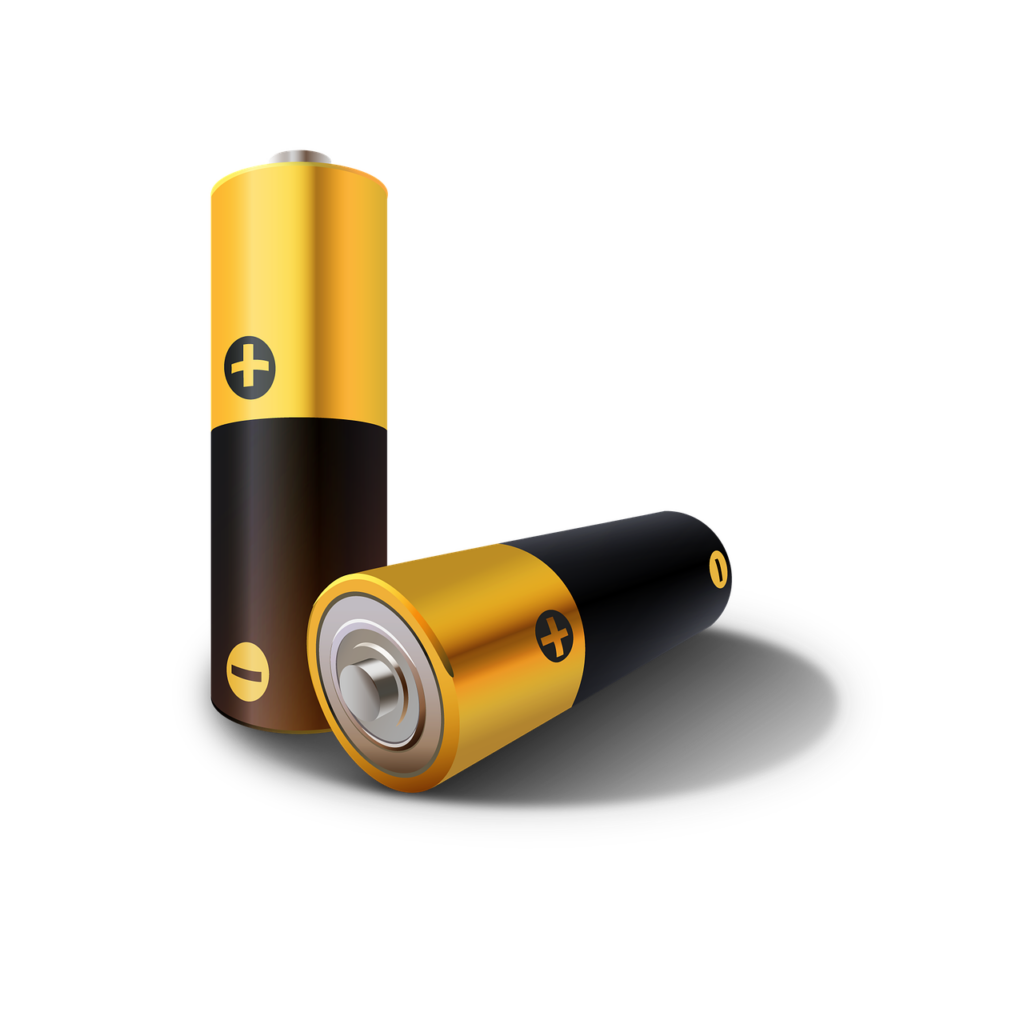
Charges of a battery
Image: Dreamer21 via Pixabay
Words
- bump = a small area that is higher than the rest
- charge = the electricity that is put into an object, like a battery, to give it power
- convert = change
- current = a flow of electricity through a piece of metal
- light bulb = a glass object that is inside a lamp - it produces light
- liquid = fluid, watery object
- paste = sticky material, like glue
- wire = a very thin piece of metal in which electricity can pass through