
The Future of Languages
Over the past centuries, English has become the dominant world language, mostly because of the British Empire and the rise of the United States as a global political and economic superpower. Many linguists say that Mandarin Chinese will become the new number one language, because it is the mother tongue of over 1 billion people. China is on the verge of becoming a new economic superpower and many international corporations already advise their workers to learn Mandarin.
In the past, some attempts have been made to create a global language for everyone. A Polish scientist, Ludwik Zamenhof, invented Esperanto at the beginning of the 20th century. His goal was to form a neutral language with easy words and grammar that is not so difficult to learn. Linguists claim that up to a million people use and speak Esperanto today.
Languages that are not actively spoken any more die out over time. According to language experts, that 90% of the world’s 7000 languages will become extinct within the next 50 years. Other languages, like Latin or ancient Greek, died out centuries ago, but are still needed in fields like medicine, biology, history or archaeology.
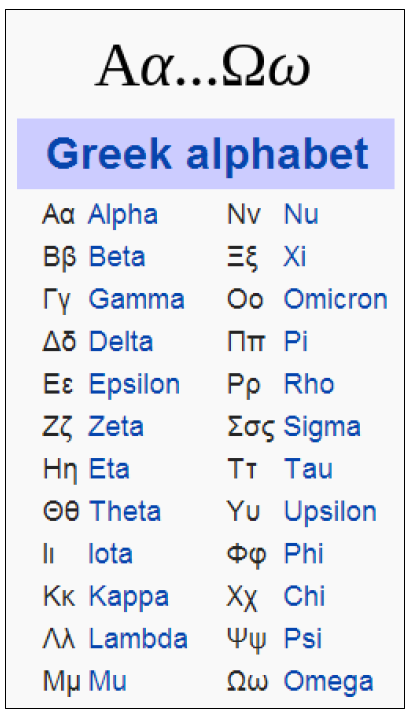
Image: Screenshot from English Wikipedia
Words
- according to = as said by ...
- advise = suggest
- ancient Greek = language that was spoken in Greece over two thousand years ago
- attempt = try
- billion = a thousand million
- century = a period of a hundred years
- claim = to say that something is true
- corporation = very large company
- create = make, invent
- die out = here: are not spoken any more
- dominant = main, number one
- economic = about trade, industry, as well as buying and selling products
- extinct = die out
- field = area
- global = worldwide
- goal = aim
- invent = to create something for the first time
- linguist = someone who studies or teaches the structure of languages
- mother tongue = main language that you learnt when you were a child
- verge = edge, close to